Monthly Archives: August 2026

How EDI can strengthen supply chain traceability and recall readiness

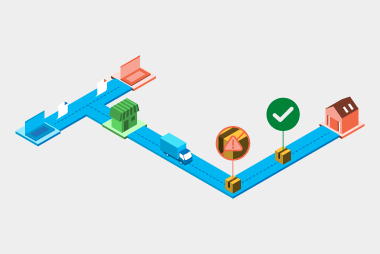
When something goes wrong in the supply chain, speed matters. Whether it is a product recall, a shipment discrepancy or a batch that needs to be isolated, businesses need to know what moved, where it went and which trading partners were involved. Electronic data interchange (EDI) can help create that digital trail as part of everyday trading. For Australian and New Zealand businesses, traceability is particularly important in sectors such as food, grocery, pharmaceuticals and retail. In Australia, Food Standards Australia New Zealand (FSANZ) reported 92 food recalls during 2025, above the 10-year average of 87. The point is not that EDI prevents every recall. It is that structured, timely transaction data can make it easier to identify affected products, trading partners and movements when action is required.

What does traceability mean in an EDI environment?

Traceability is the ability to follow products and related information through the supply chain. EDI supports this by creating consistent electronic records as business documents move between systems. Instead of relying on emails, spreadsheets or paper records, organisations can build a history of transactions that is easier to search and reconcile. Depending on the EDI process, that history can include:
  • purchase orders showing what was ordered and when
  • order responses confirming what a supplier can fulfil
  • advanced shipping notices (ASNs) showing what is being despatched
  • SSCC information identifying logistics units such as pallets or cartons
  • invoices connecting the financial transaction back to the original order
  • timestamps, message status and other transaction history held within the EDI platform.

Why this matters when a recall or issue occurs

When a product issue is identified, teams often need to answer several questions quickly: Which product or batch is affected? Which customers received it? When was it shipped? How much product is still in the network? Which orders or deliveries are connected to it? If that information is spread across inboxes, PDFs and different systems, getting a reliable answer can take time. EDI does not replace a formal recall or traceability system, but it can provide a strong digital data source to support it.

1. Create a consistent transaction trail

EDI messages follow defined structures and business rules. That consistency makes it easier to connect one transaction to another. A purchase order can be linked to an order response, despatch advice and invoice, giving teams a clearer picture of the end-to-end transaction rather than isolated documents.

2. Improve shipment-level visibility with ASNs and SSCCs

Advanced shipping notices can tell a customer what is coming before the physical delivery arrives. When SSCC labels are used, individual logistics units can also be identified and scanned through receiving and warehouse processes. This can help narrow the scope of an investigation and support faster identification of affected stock.

3. Reduce the time spent piecing records together

In a manual environment, a recall investigation can involve checking purchase orders, delivery records, emails and invoices separately. With integrated EDI, much of that information is already available electronically and can flow into ERP, warehouse or other business systems. That gives teams a stronger starting point when time is critical.

4. Support communication across trading partners

Traceability is not only an internal process. Retailers, suppliers, manufacturers and logistics providers may all need to share information. Standardised EDI messages can help keep that exchange consistent and reduce reliance on rekeying information between systems.

What data should you think about capturing?

The value of EDI for traceability depends on the quality and detail of the data being exchanged. It is worth reviewing whether your EDI messages capture the identifiers your business would need during an investigation.
  • product identifiers such as GTINs or retailer item numbers
  • purchase order and shipment references
  • batch or lot information where relevant to the process
  • quantities and dates
  • supplier, customer and delivery location identifiers
  • SSCCs for logistics units
  • clear message status and exception information.
Not every trading relationship will use every field. The important part is making sure the data exchanged supports the way your business actually needs to track goods and transactions.

Make traceability part of normal EDI design

Traceability is easiest when it is built into everyday processes rather than treated as something to reconstruct after an incident. When designing or reviewing an EDI setup, consider the full document flow, the identifiers carried between messages and where that information is stored once it enters your systems. It is also worth testing the process. Can your team locate a shipment from its order number? Can you identify the ASN connected to a delivery? Can you see which trading partner received a particular transaction? A practical test can highlight gaps before they become urgent.

A stronger digital trail across the supply chain

EDI is often introduced to remove manual data entry and speed up procurement. But the same structured data can also strengthen visibility and traceability across the supply chain. For businesses handling high volumes of products and transactions, that digital trail can become an important part of operational readiness.If you want to review how your EDI setup supports traceability across orders, shipments and invoices, get in touch with the MessageXchange team.

Request a call

Chat with one of our experts

Just fill out your details below and we'll be in touch within one business day.
What happens after you switch eInvoicing on? A practical optimisation checklist

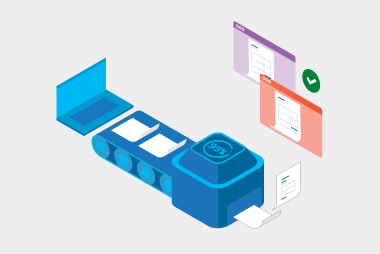
Going live with eInvoicing is an important milestone, but it is not the finish line. Once invoices are flowing through Peppol, the next step is to make sure the process is actually delivering the improvements you expected - and to keep refining it as supplier behaviour, systems and business requirements change.

That matters in Australia and New Zealand, where eInvoicing is becoming more embedded in everyday procurement and finance processes. In New Zealand, mandated government agencies are now expected to pay 95% of eInvoices within five business days. In Australia, the ATO continues to support the Peppol framework and certified eInvoicing products. The direction is clear: simply being connected is no longer the only measure of success.

1. Check how much of your invoice volume is actually using eInvoicing

Start with adoption. Being able to receive or send an eInvoice does not necessarily mean your trading partners are using the capability consistently.

Review your invoice mix and ask:

  • Are new trading partners being directed to eInvoicing as part of business-as-usual onboarding?
  • Are there particular business units or supplier groups where adoption is lagging?

This gives you a clear picture of where the next onboarding effort should go. The more invoice volume you move to a consistent electronic process, the easier it is to reduce parallel manual workflows.

2. Review exceptions, not just successful invoices

A healthy eInvoicing process is not one with zero exceptions. It is one where exceptions are visible, understandable and dealt with quickly.

Look at invoices that are rejected, delayed or sent for manual review. Common causes can include missing purchase order numbers, incorrect references, unexpected values or information landing in a field your downstream system does not use as expected.

Then look for patterns. If the same supplier or the same type of invoice is repeatedly creating work for your team, that is an optimisation opportunity. You may be able to tighten a business rule, improve supplier instructions or adjust your internal mapping rather than continuing to fix the same issue manually.

3. Make sure eInvoicing connects to the rest of your accounts payable workflow

Getting an invoice into your finance system faster only creates part of the benefit. What happens next matters just as much.

Review whether eInvoice data is helping you automate steps such as:

  • matching invoices to purchase orders and goods receipts
  • routing invoices to the right approver
  • checking supplier and invoice information against your business rules
  • managing approval thresholds and exceptions
  • preparing invoices for payment and reconciliation.

The ATO notes that Peppol supports a broader set of procure-to-pay documents, including orders, order responses and invoice responses. That means an eInvoicing implementation can become a foundation for wider procurement automation, rather than an isolated finance project.

4. Keep supplier onboarding running after go-live

Supplier onboarding should not end when the project team closes the implementation plan. Suppliers change systems, new suppliers are added and contacts move on.

Build eInvoicing into your normal supplier management process. Make it clear in onboarding packs, procurement communications and invoice instructions that eInvoicing is the preferred channel. Periodically identify suppliers that are capable of eInvoicing but are still sending PDFs, then target them with practical support.

A smaller, ongoing onboarding program is often easier to sustain than a one-off campaign followed by silence.

5. Measure whether the process is improving

Your optimisation plan needs a few simple measures so you can see whether the changes are working. Useful measures can include:

  • percentage of invoices sent or received through Peppol
  • average invoice processing time
  • invoice exception or rejection rate
  • manual touchpoints per invoice
  • cost per invoice processed
  • payment cycle time.

You do not need a complicated dashboard to get started. Choose the measures that relate to your original goals and review them regularly. If eInvoicing adoption is rising but processing time is not improving, for example, that can point to a bottleneck further downstream.

6. Check what has changed in your systems and business rules

ERP upgrades, new approval workflows, new entities and changes to procurement rules can all affect an eInvoicing setup that was working well at go-live.

Include eInvoicing in change management and testing whenever you make material changes to finance or procurement systems. Confirm that mappings still work, required data is reaching the right fields, validation rules are still appropriate and the right teams are receiving alerts when something needs attention.

7. Turn the review into a regular optimisation cycle

The most useful post-go-live review is not a one-off health check. Build a regular cycle around your eInvoicing process: review the data, identify the biggest friction points, make a small change and measure what happens next.

Over time, this shifts the focus from “we have eInvoicing” to “we are getting more value from eInvoicing”. It also gives finance and procurement teams a way to keep improving automation as adoption grows.

If you want to review how your current eInvoicing setup is performing, MessageXchange can help you look at onboarding, business rules, integrations and process automation to identify where there may be more value to unlock. Get in touch with our team by filling the form below.

Request a call

Chat with one of our experts

Just fill out your details below and we'll be in touch within one business day.