
Monthly Archives: July 2026

How to turn eInvoices into faster approvals and payments

Getting ready to send and receive eInvoices is an important milestone. But it is not the finish line. Once an eInvoice arrives, the next question is what your team can do with the data. For many organisations across Australia and New Zealand, the first stage of eInvoicing is about connectivity. Can you receive an eInvoice? Can your suppliers send one? Can your systems exchange data through the Peppol network? These are essential foundations. But the bigger operational value often comes next, when structured invoice data starts improving approvals, matching and payments. That is where eInvoicing becomes more than a new delivery channel. It becomes a way to remove manual handling from the invoice process and give accounts payable teams more confidence in the data they are using every day.

From receipt to decision

Traditional invoice processing often relies on people reading, checking and rekeying information from PDFs or paper invoices. Even when invoices arrive by email, if you’re not using an OCR, someone usually needs to confirm the supplier, check the purchase order, review amounts and route the invoice to the right person for approval. eInvoicing changes this because the invoice arrives as structured data. That data can be read by systems, checked against business rules and moved through workflows more consistently. Instead of starting with a document that needs to be interpreted, your team starts with information that can be validated and acted on. This matters because many invoice delays aren’t caused by the delivery of the invoice itself. They happen after receipt, when teams need to work out whether the invoice is complete, accurate and ready to approve.

Why structured data makes a difference

The value of eInvoicing is not only that invoices move from one system to another. It is that the invoice data is consistent enough to support automation. When the right fields are present and formatted correctly, businesses can check the invoice earlier and reduce the back and forth that slows payment down. For example, an organisation may need a purchase order number before an invoice can be matched. It may need to confirm the supplier ABN, validate bank account details or check that specific attachments are included. With eInvoicing, these checks can happen before the invoice is passed into downstream workflows, rather than after it has already created work for the accounts payable team. This is particularly useful for organisations with complex approval rules. The more invoices you process, the more small data issues can add up. A missing order number or incorrect supplier detail may not seem like a big problem on one invoice, but across hundreds or thousands of invoices it can create delays, rework and unnecessary supplier enquiries.

Automating the checks that slow teams down

One practical step is to identify the checks your team already performs manually. These are often the best candidates for automation. You might check whether the purchase order number is present, whether it matches the expected format, whether the supplier is recognised or whether the invoice includes the information needed for matching and approval. Once those checks are clear, they can be built into the eInvoicing workflow. Depending on the rule, an invoice might be accepted, rejected or flagged for review. The supplier can also receive clearer feedback about what needs to be fixed, helping reduce repeated errors over time. This approach helps finance teams move from reactive processing to proactive control. Instead of finding problems later, organisations can set rules that help improve invoice quality before the invoice reaches the people who need to approve or pay it.

Connecting approvals and payments

The next opportunity is linking invoice approval to payment. Once an eInvoice has passed validation and met your approval criteria, it can move through the process with less manual intervention. Some organisations use rules to route invoices based on amount, supplier, purchase order, cost centre or other data points. Others may use matching logic to compare the invoice against purchase orders and goods received. When these checks are met, the invoice can be progressed for approval or payment more quickly. There is also an important control benefit. If the criteria are not met, the invoice can be escalated for review rather than paid automatically. That gives teams a way to combine efficiency with governance, so automation supports the process without removing oversight.

Why this matters for Australia and New Zealand

Across Australia and New Zealand, eInvoicing conversations have often focused on readiness, mandates and adoption. Those topics remain important. But organisations that have already started planning for eInvoicing should also think about what comes after connection. If the process behind the scenes still relies heavily on manual checking, the benefits of eInvoicing may be limited. The real gains come when structured data is used to improve the way invoices are received, checked, approved and paid. For government agencies, large buyers and businesses working with many suppliers, this can support faster processing and a better supplier experience. For suppliers, it can reduce uncertainty around invoice status and help them send invoices that are easier for customers to process.

What to review before automating

Before automating approvals or payments, it’s worth reviewing your current process. Start by looking at the points where invoices most often get delayed. Are invoices missing purchase order numbers? Are supplier details inconsistent? Do approval rules depend on information that is not always included? Are payment decisions still happening outside the core system? From there, map the data you need for each step. This helps you understand which fields should be mandatory, which checks should happen automatically and which exceptions still need human review. A good eInvoicing process should not simply replicate the old process in a new format. It should give your team the chance to remove unnecessary manual steps and build cleaner workflows around better data.

How MessageXchange can help

MessageXchange supports eInvoicing by helping organisations connect to the Peppol network, map invoice data and apply checks that reflect their business rules. That can include validating key information before an invoice is sent to your software, notifying suppliers when information is missing or routing invoices into approval and payment processes. For organisations that want to go beyond simply receiving eInvoices, this flexibility can help turn eInvoicing into a stronger accounts payable process. The goal is not just to receive the invoice digitally. It is to make the next step faster, clearer and easier to manage.

A better next step for eInvoicing

eInvoicing gives organisations a better starting point because the invoice arrives as structured data. The next opportunity is using that data well. By automating checks, improving approval workflows and connecting invoice data to payment processes, organisations can reduce manual handling and create a more reliable experience for both internal teams and suppliers. So if your organisation is already thinking about eInvoicing readiness, the next question is worth asking now: what should happen after the eInvoice arrives? To learn how MessageXchange can support your eInvoicing and payment workflows, get in touch with our team.

Request a call

Chat with one of our experts

Just fill out your details below and we'll be in touch within one business day.
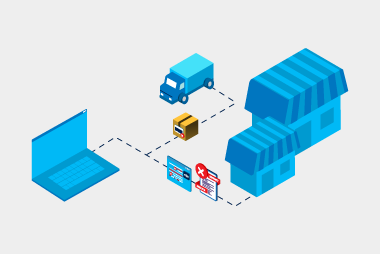
Reducing EDI errors before they slow down your supply chain

Electronic data interchange (EDI) is built to make trading faster, cleaner and more reliable. But like any business process, it works best when the right foundations are in place. When purchase orders, order responses, advanced shipping notices and invoices flow directly between systems, there is less room for manual error. However, EDI errors can still happen, especially when supplier data, message formats or testing processes are not aligned from the start. For retailers, wholesalers and suppliers across Australia and New Zealand, preventing these errors is not just a technical issue. It can affect order fulfilment, warehouse planning, invoice approvals, supplier relationships and customer service.

Why EDI errors matter

Small errors can create large delays. A missing purchase order number, incorrect product code or invalid delivery date might seem minor, but it can stop a message from being processed correctly. When this happens, teams often need to step in manually to find the issue, contact the trading partner and correct the data. That extra work can quickly add up. Instead of focusing on exceptions that genuinely need attention, teams spend time fixing avoidable issues. For businesses managing large supplier networks or high transaction volumes, this can create bottlenecks across the supply chain.

Common EDI errors to watch for

Many EDI issues come back to data quality and message consistency. Common examples include:
  • missing or invalid mandatory fields
  • product codes that do not match the buyer’s system
  • incorrect pricing or quantity information
  • messages sent in the wrong format or version
  • advanced shipping notices that do not match what has been ordered
  • invoices that do not align with purchase orders or delivery records.
The challenge is that these errors may not always be obvious until a message reaches the receiving system. By then, the issue may already be causing delays in order processing, receiving goods or approving invoices.

How EDI reduces manual errors

A well-planned EDI setup helps reduce errors by replacing manual data entry with structured digital messages. Instead of someone rekeying order details from an email or PDF, information is sent directly from one system to another in a standard format. This helps ensure the same information is used across the process. Orders, confirmations, shipping notices and invoices can all be linked, making it easier to check whether the right items were ordered, shipped and invoiced. For finance teams, this can support more accurate invoice matching. For warehouse teams, it can improve visibility into what is arriving. For customer service teams, it means fewer unexpected issues to explain or chase.

Why testing matters before go-live

Testing is one of the most important steps in reducing EDI errors. Before suppliers start sending live messages, it is important to check that their files match the required message implementation guides, contain the right fields and follow the expected business rules. This is where message compliance testing can make a real difference. Rather than relying on manual back and forth, suppliers can test their messages before go-live and fix issues early. That means fewer failed messages once trading begins and a smoother onboarding experience for everyone involved. Testing is also important when you’re making changes to your ERP system or introducing major new functionality. Even if your EDI processes are already working well, changes to your internal systems can impact how data is created, formatted or sent. Fields may change, workflows may be updated or new business rules may be introduced. By testing before these changes go live, you can confirm that purchase orders, invoices, despatch advices and other key messages continue to flow correctly between systems and trading partners. It helps identify issues early, reduce disruption and give your team confidence that day-to-day trading will continue as expected.

Using EDI data to spot recurring issues

Preventing errors is not just about the initial setup. Once EDI is running, the data itself can help identify patterns. For example, retailers can monitor which suppliers regularly send incomplete advanced shipping notices, have high invoice rejection rates or frequently send data that does not match the original purchase order. These insights can support better supplier conversations. Instead of relying on anecdotal feedback, teams can use data to show where errors are occurring and work with suppliers to improve performance.

What to think about when improving your EDI process

If you are reviewing your EDI setup, it’s worth asking:
  • Are all required fields clearly documented for suppliers?
  • Do suppliers have a way to test messages before go-live?
  • Are errors visible and easy to investigate?
  • Can your team identify recurring issues by supplier, message type or process stage?
  • Are your EDI messages supporting downstream processes like receiving, matching and payments?
Answering these questions can help shift EDI from a basic exchange of documents to a more reliable, data-led process.

Getting ahead of errors

EDI is designed to make trading easier, but the real value comes when it is set up to prevent errors before they cause disruption. Clear requirements, strong testing and ongoing visibility all play a role in keeping data accurate and processes moving. For businesses across Australia and New Zealand, reducing EDI errors can help improve supplier relationships, speed up processing and give teams more confidence in the data moving through their supply chain.Want to learn how MessageXchange can help reduce EDI errors and improve trading partner processes? Get in touch with our experts.

Request a call

Chat with one of our experts

Just fill out your details below and we'll be in touch within one business day.