Monthly Archives: June 2026

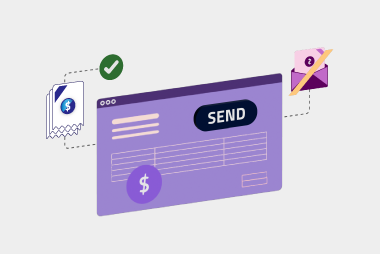
Why suppliers still send PDFs after eInvoicing is enabled

Switching eInvoicing on is not just a technical setting. Your accounting software needs the right data, workflows and connections in place so invoices can move smoothly between systems. Across Australia and New Zealand, eInvoicing uses the Peppol network to exchange invoice information securely between buyers and suppliers. The Australian Taxation Office says many accounting packages already offer eInvoicing, and businesses can often register on the Peppol network using their existing software. Here’s how to get your accounting software ready.

eInvoicing has been enabled, but not embedded

Switching on eInvoicing is only the first step. To get real value, it needs to become part of your normal invoice process. If suppliers are still told they can email invoices, many will keep doing exactly that. It’s familiar, easy and already part of their routine. To change this, make eInvoicing the preferred process, not just another option. Update supplier instructions, onboarding documents and invoice submission guidelines so the message is clear from the start.

Suppliers may not know you can receive eInvoices

Some suppliers may have no idea your business is ready for eInvoicing. Others may assume you still prefer PDFs because that’s how they’ve always invoiced you. A simple communication plan can make a big difference. Tell suppliers that you can receive eInvoices, explain what’s changing, and give them clear steps to get started. Keep the message practical. Focus on fewer errors, faster processing and less back and forth.

They may not understand what eInvoicing is

Many suppliers still think eInvoicing means emailing a PDF. That misunderstanding can slow adoption. It’s worth explaining the difference in plain English. A PDF invoice is still a document that needs to be opened, read and often manually entered into a system. An eInvoice is structured data sent directly from one system to another through a secure network like Peppol. The more clearly suppliers understand the difference, the easier it is for them to see why the change matters.

Their software may not be ready

Not every supplier has the same level of digital capability. Some may use cloud accounting software that already supports eInvoicing. Others may be using older systems, spreadsheets or manual processes. That doesn’t mean they can’t participate, they may just need more support. For smaller suppliers, options like web portals, like Colladium, can provide a simple way to send eInvoices without needing a full system integration. The key is to make the next step feel achievable.

The benefits are not clear enough

Suppliers are more likely to change when they understand what’s in it for them. If the message is only about your business wanting eInvoices, it can feel like extra work. But if suppliers see that eInvoicing can help reduce rejected invoices, cut down admin and support faster processing, the value becomes clearer. Make the benefits supplier-focused. Instead of saying “we are moving to eInvoicing”, try “eInvoicing helps us process your invoices faster and with fewer errors”.

Old habits are hard to break

Even when suppliers understand the process, some will keep sending PDFs out of habit. This is where follow-up matters. One email announcement is rarely enough. Suppliers may need reminders, support and a gentle nudge when they send PDFs after being asked to use eInvoicing. You can also involve accounts payable and procurement teams. If they keep accepting emailed PDFs without comment, the old process will continue. If they consistently redirect suppliers to eInvoicing, behaviour starts to change.

There may be no clear deadline

Without a deadline, suppliers may not prioritise the change. A phased approach can help. Start with your highest-volume suppliers, give them a clear go-live date, and explain when PDF invoices will no longer be preferred. You don’t need to be heavy-handed. But you do need to be clear. Suppliers are more likely to act when they know what is expected and by when.

There is no tracking or accountability

If you’re not tracking supplier adoption, it’s hard to know where the issue sits. You should be able to see which suppliers are sending eInvoices, which are still sending PDFs, and which ones need follow-up. This helps you focus your effort. Instead of sending broad reminders to everyone, you can target the suppliers who need support most.

How to reduce PDFs after enabling eInvoicing

To shift suppliers away from PDFs, focus on a few practical actions. Start by identifying your top suppliers by invoice volume. Let them know you’re eInvoicing-ready and give them simple instructions. Update your invoice submission guidelines so Peppol eInvoicing is clearly preferred. Offer support for suppliers who are unsure how to get started. Then keep measuring progress. Track how many invoices come through Peppol compared with email, and follow up with suppliers who continue sending PDFs. Small steps, repeated consistently, can make a big difference. Learn more about how to get more of your partners sending eInvoices by getting in touch with our experts, fill in the form below.

Request a call

Chat with one of our experts

Just fill out your details below and we'll be in touch within one business day.
Is your EDI provider helping or holding you back

For many suppliers, electronic data interchange (EDI) starts as a customer requirement. A major retailer, wholesaler, distributor or government customer asks you to become EDI-ready, and suddenly you need a provider who can help you get connected quickly and correctly. The right provider should make trading easier. They should reduce admin, simplify onboarding, improve visibility and help your business scale. The wrong provider can do the opposite, creating delays, confusion, hidden costs and extra work for your team. Here are the warning signs to look out for.

Slow or confusing onboarding

Getting started with EDI shouldn’t feel like a never-ending project. A poor EDI provider often makes onboarding harder than it needs to be, with unclear steps, slow responses and limited guidance. You may find yourself chasing updates, resending the same information or trying to understand technical requirements that haven’t been clearly explained. For suppliers, this can be frustrating and costly. Delayed onboarding can mean delayed trading, slower customer approvals and more pressure on your internal team. A good EDI provider should give you a clear onboarding path, explain what’s needed in plain English and guide you through testing with your trading partners.

Poor support when something goes wrong

EDI issues can have a real business impact. If purchase orders don’t arrive, invoices fail or shipping notices are rejected, it can affect fulfilment, payment and customer relationships. One of the clearest signs of a bad provider is poor support. This might look like slow response times, generic answers, limited availability or overly technical explanations that don’t help you solve the problem. When something goes wrong, you need support that is practical, responsive and easy to understand. A strong provider doesn’t just tell you there’s an error. They help you understand what caused it, how to fix it and how to prevent it from happening again.

Hidden fees and unclear pricing

Some EDI providers look affordable at the start, but costs can quickly grow once you need support, testing, extra document types or new trading partner connections. For suppliers, unclear pricing makes it harder to budget and plan ahead. A good provider should be upfront about costs from the beginning. You should understand what is included, what may cost extra and how pricing changes as your business grows.

Limited customer or retailer connections

If you’re choosing an EDI provider, one of the most important questions is whether they can connect you to the customers you need to trade with. A poor-fit provider may not already support the major retailers, wholesalers, marketplaces or government agencies relevant to your business. This can lead to longer setup times, more testing and extra cost. For suppliers working across Australia and New Zealand, it helps to choose a provider with strong local experience and established trading partner connections. The right provider should understand the requirements of your customers and help you meet them with minimal fuss.

Lack of flexibility as your business grows

You might start with one customer, then add more retailers, distributors or marketplaces. You might begin with a simple web portal and later want to integrate EDI into your accounting, ERP or inventory system. A good provider should give you options. You should be able to start simple, then scale when you’re ready. That might mean moving from portal-based EDI to full integration, adding new document types or connecting with more trading partners over time. EDI should support your growth, not restrict it.

No visibility into document status

Without visibility, your team is left guessing, and that usually means more follow-up emails, more customer calls and more manual checking. A good EDI provider should give you clear visibility into document status. You should be able to see what has been sent, received, accepted, rejected or requires attention. That transparency helps your team stay in control and resolve issues faster.

Too much technical complexity

If every conversation is filled with jargon, unexplained acronyms or complicated instructions, that’s a red flag. Suppliers shouldn’t need to become EDI experts just to meet customer requirements. A good provider translates the technical side into clear business language. They explain what needs to happen, why it matters and what action you need to take.

Weak error handling

A poor provider may simply show that a document failed, without explaining why. This leaves your team to investigate the issue manually or wait for support. A better provider gives clear error messages, alerts and practical guidance. Ideally, your system should help identify common issues such as missing purchase order numbers, incorrect product codes, invalid pricing or formatting problems before they become bigger delays.

Little understanding of your business

Some providers treat EDI as a purely technical setup. But for suppliers, EDI affects sales, finance, operations, logistics and customer service. If your provider doesn’t take the time to understand how your business works, they may recommend a setup that doesn’t fit your processes. A good provider should ask questions about your customers, systems, transaction volumes, internal workflows and growth plans. That way, they can recommend an approach that supports your business, not just the technical connection.Looking for an EDI provider that makes things easier, we can help suppliers get connected, stay compliant and scale their EDI processes without unnecessary complexity. Get in touch with our experts.

Request a call

Chat with one of our experts

Just fill out your details below and we'll be in touch within one business day.