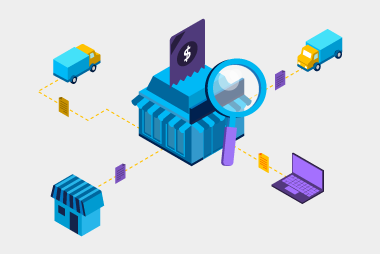
Trust underpins every business transaction. When you send or receive an invoice, you expect it to be accurate, secure and authentic. But with email-based PDFs and rising invoice fraud across Australia and New Zealand, that trust can’t be taken for granted. Peppol helps change that.
It removes email risk
Email is one of the biggest weak points in invoicing. Business email compromise and payment redirection scams rely on intercepted or altered PDFs.
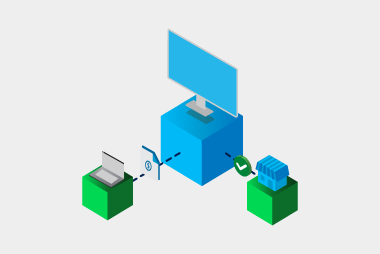
Peppol removes email from the process entirely. Invoices move directly from system to system through secure access points. No attachments, no manual handling, no opportunity to alter bank details mid-stream.
It verifies who you’re dealing with
Businesses join the Peppol network using their ABN (Australia) or NZBN (New Zealand), verified by certified access points. That means you know the sender is a registered business. You’re not relying on receiving invoices into an email address that can be easily spoofed. Transactions come through a trusted network. This identity validation adds an important layer of confidence.
It standardises and validates data
Clean data reduces operational and financial risk. Peppol eInvoices are structured, not free-form PDFs. This allows invoice information to sent straight to the recipients software, no manual inputting. Required fields must be present and validation checks happen before delivery. The result:
- fewer errors
- fewer disputes
- less manual correction
- more predictable processing.
It creates traceability
Peppol transactions generate a clear digital record of when invoices are sent and received. That audit trail supports:
- compliance
- governance
- dispute resolution
- internal controls.
For organisations working with government, this transparency is increasingly important.
Why it matters now
As fraud risks grow and digital procurement expands across A-NZ, businesses need stronger foundations for trust. Peppol strengthens digital trust by:
- verifying participants
- securing transmission
- standardising invoice data
- reducing manual intervention.
It’s not just about efficiency, it’s about confidence in every transaction.Want to learn more about how eInvoicing improves digital trust? Get in touch with our experts below.
Request a call
Chat with one of our experts
Just fill out your details below and we'll be in touch within one business day.